How Does Acupuncture Work?


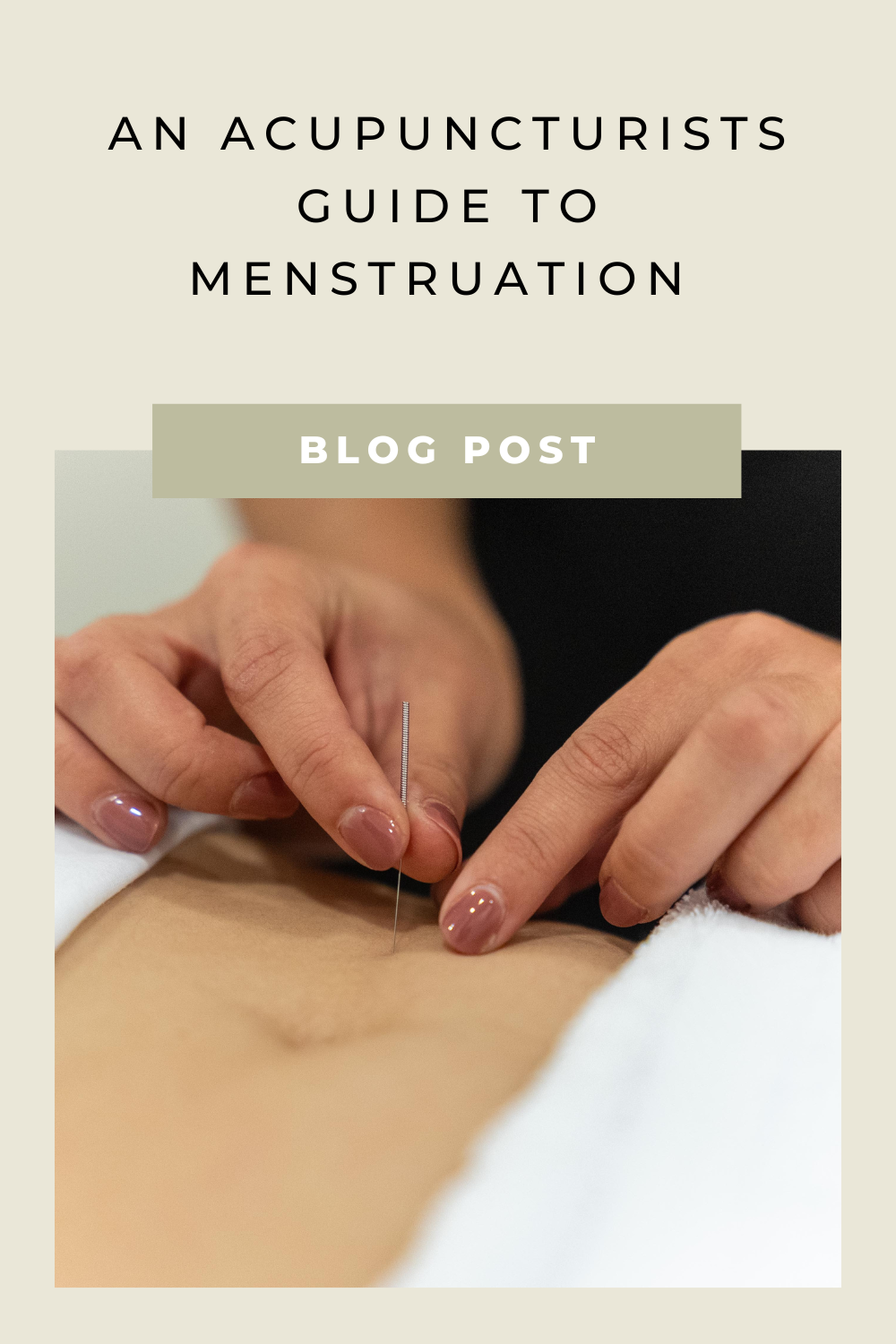
Acupuncture is a procedure of Chinese medicine tha has been developed over several thousands of years. Ultimately, acupuncture is the insertion of thin needles into the body at specific points or areas to create a specialised effect. The general goal of acupuncture is to restore and improve the flow of Qi in the body. (In oversimplified terms, Qi is the energy, movement, and metabolism of the body’s substances). Thus, acupuncture helps circulate and direct blood, oxygen, nutrients, hormones, fluid, and waste products to where they need to go. Our bodies have their own physiological mechanisms designed to bring them back to a state of equilibrium and optimal health. All we need to do is clear the obstacles or blockages that are preventing natural healing and let the body take care of the rest. This is the work of an acupuncturist.
But what really happens in the body?
The puncture of the needle into the skin and body’s tissues creates a ‘micro trauma’ which stimulates the immune system to release immunes cells, such as fibroblasts, to facilitate healing. Think of the needle puncture as technique to send an intentional signal to the brain via nervous system. This alerts the brain that healing attention is required in a certain area of the body. The nervous system then releases and distributes natural painkilling chemicals, such as endorphins, norepinephrine and enkephalins. In the local tissue, acupuncture needles stimulate the nerves to release neuropeptides, which promote vasodilation and increased circulation. The release of oxytocin and serotonin (the feel-good hormones) during this process also help to reduce sympathetic activity (stress response) and increase parasympathetic activity (restful healing state).
These are just a few mechanisms of acupuncture, and scientific research continues to discover and corroborate further healing effects of this incredible system.
Still have questions? The best way to understand the effects of acupuncture is to experience a treatment for yourself!

Veronika Peovska
(BHSc Acupuncture)
“To be skilled at nurturing one’s nature and wellbeing is to treat disease before it arises.” - SUN SIMIAO
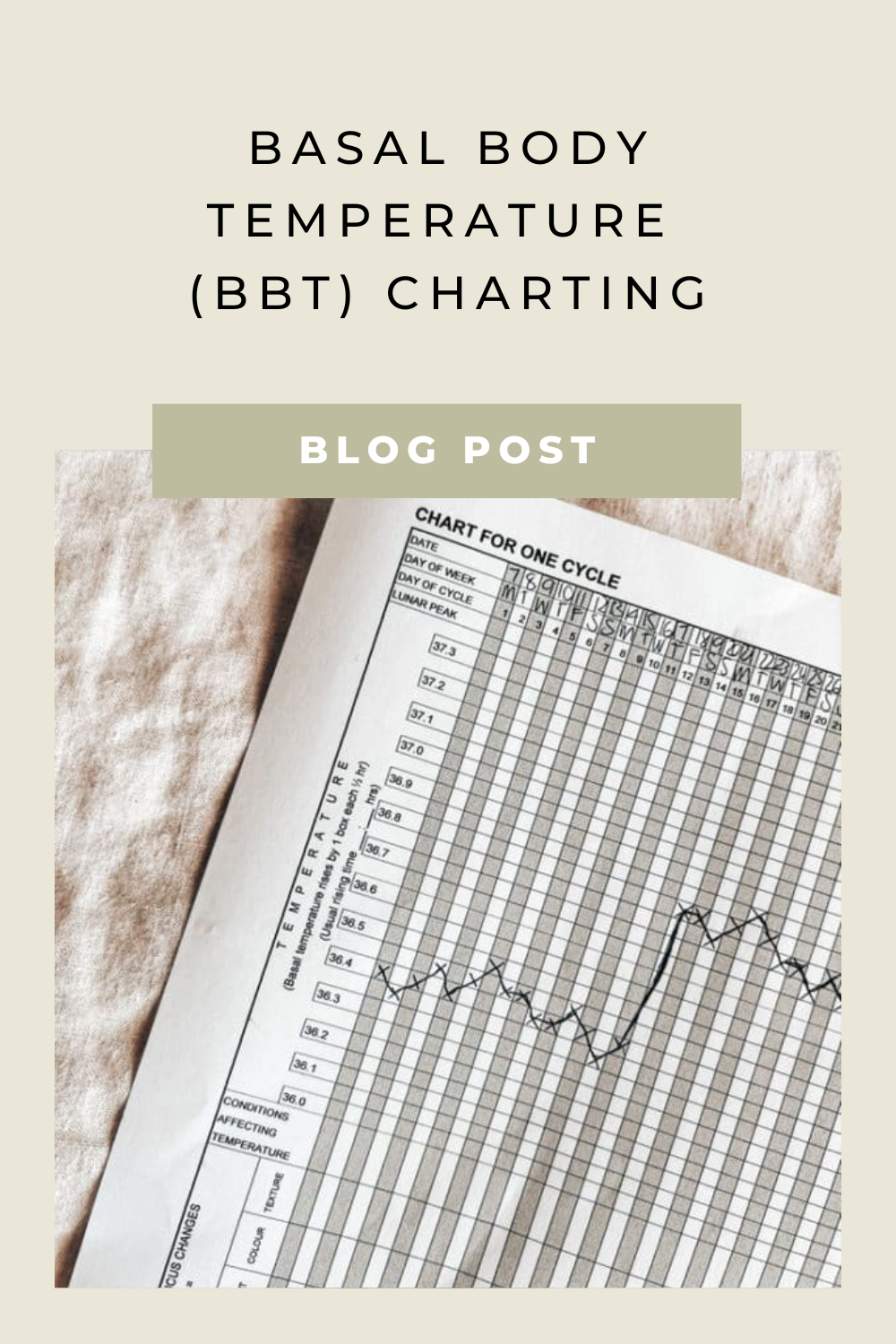
In this article I share instructions on basal body temperature (BBT) charting and how it can help to understand your fertility, hormonal and gynaecological health.
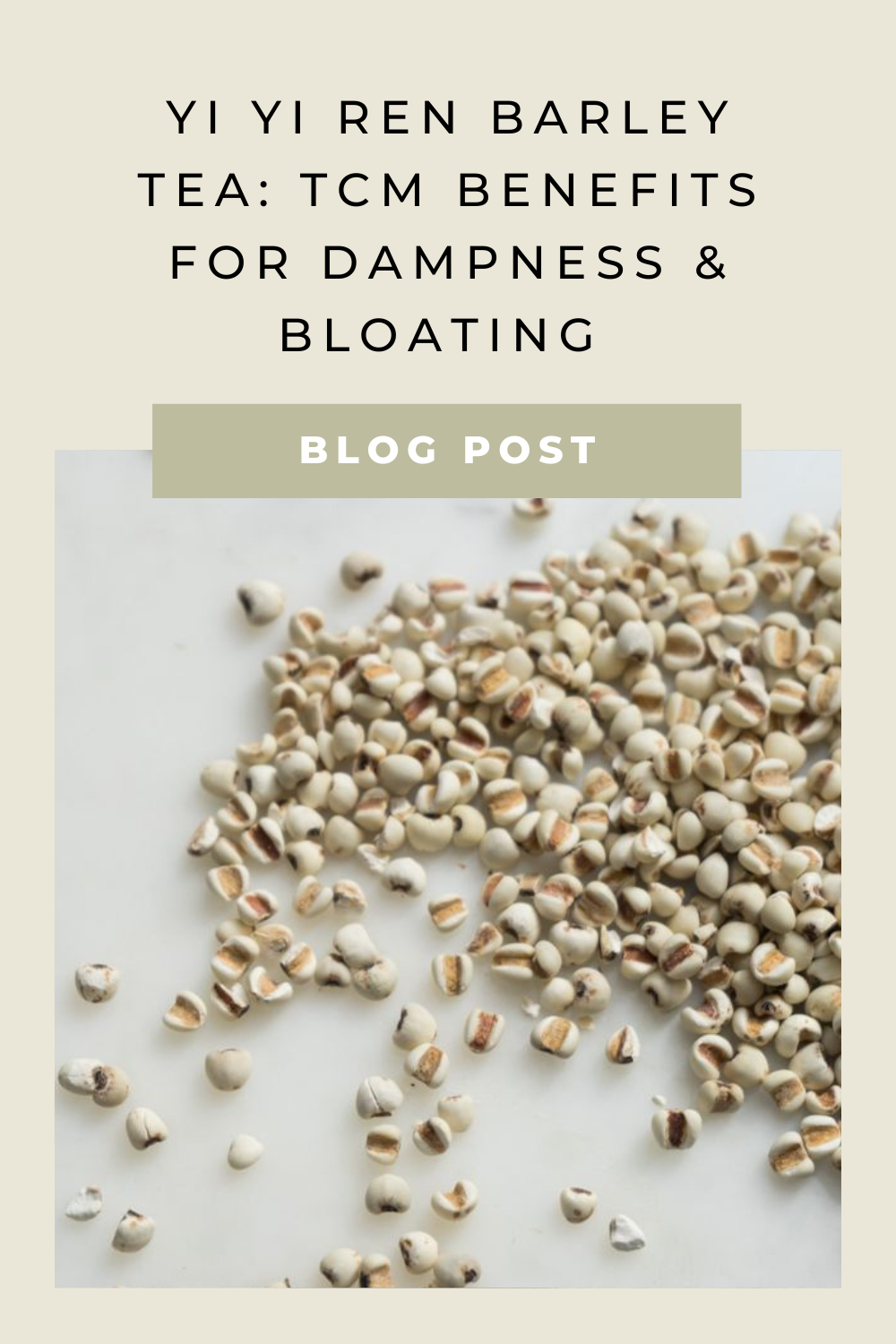
Here is my recipe for yi yi ren tea with lemon and honey. In TCM, this recipe is helpful to tonify Spleen Qi, reduce dampness and assists with bloating.
Seasonal Affective Disorder (SAD) is a form of depression that follows a seasonal pattern, most commonly arriving in autumn and easing with the return of spring light. This article explores how TCM and other natural treatment options can help.
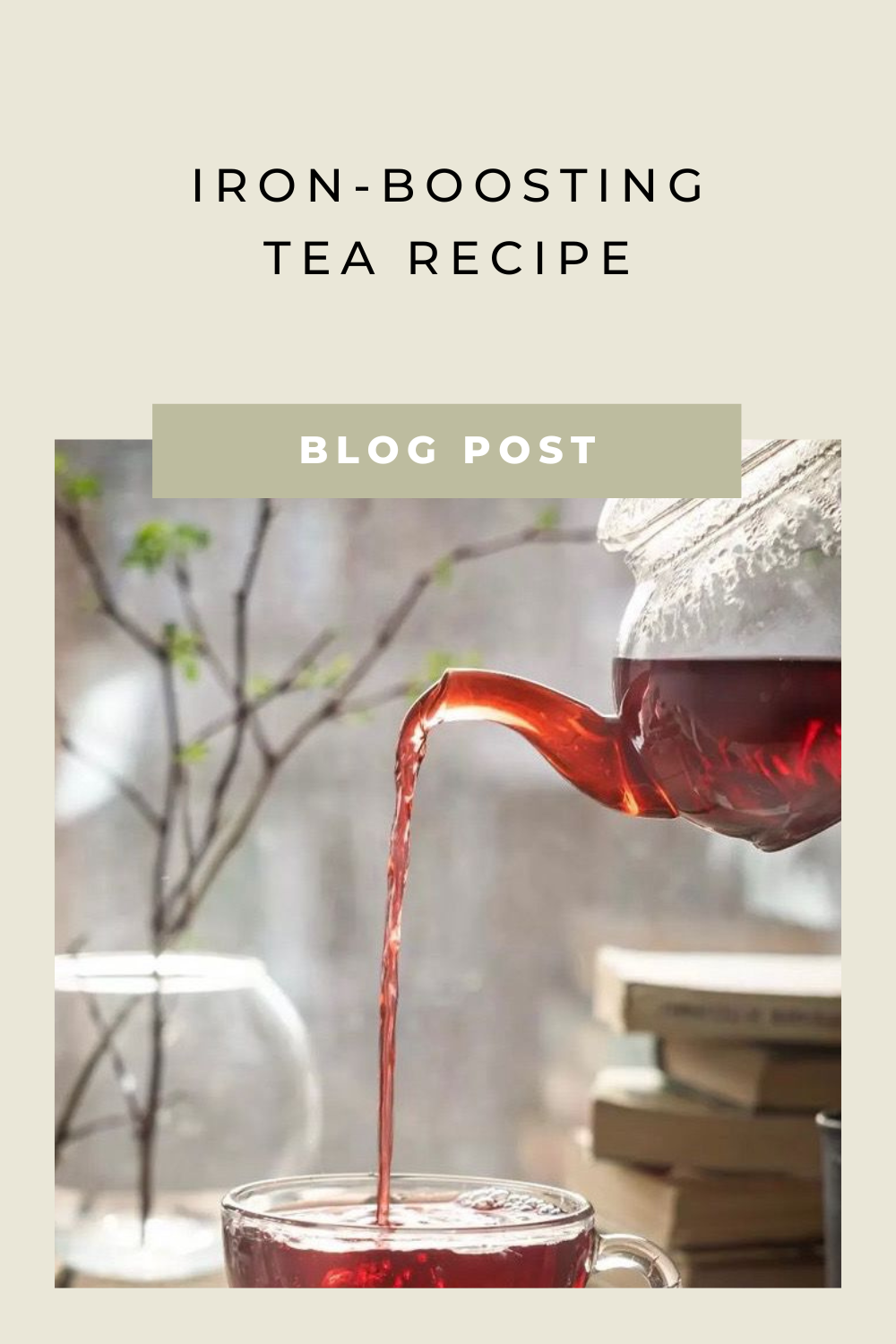
Learn how to make this iron-boosting tea using beetroot, rose hip, goji berries, and more. This recipe combines modern nutrition with Traditional Chinese Medicine for natural blood nourishment and iron deficiency support.
As you move through the final weeks of pregnancy, you might be thinking labour preparation or acupuncture for labour induction. Acupuncture offers a gentle, natural approach for labour preparation whether you're planning ahead or seeking alternatives to medical induction.
In Chinese medicine, caring for a pregnant woman means protecting two lives. The ancient practice of Tai Jiao (prenatal education) reveals how a mother's peace of mind, the foods she eats, and even the beauty she surrounds herself with can influence her baby's health and temperament. Explore these gentle, time-honoured practices that honour the profound connection between mother and child..
Here are my non-negotiables for fertility health as an acupuncturist and Chinese medicine practitioner. These foundational pillars combine ancient wisdom with modern understanding to help create the optimal environment for conception.
As the seasons turn and spring begins to soften into early summer, nature initiates one of its most graceful transitions. In Chinese medicine, this moment marks a subtle but profound energetic shift—from Wood to Fire, from creativity to connection, from vision to joy. Learn more about how to support this shift and support your health this season.
As spring breathes new life into the world around us, it’s a perfect time to nurture your body with teas that align with the season’s energetics. In Chinese medicine, each season is associated with certain organs and elements, and spring is traditionally tied to the Liver and the Wood element. This is a time of growth, renewal, and cleansing, making it ideal for light, refreshing, and detoxifying teas. This article offers four spring-inspired tea blends that support health through the lens of Traditional Chinese Medicine (TCM).
In Traditional Chinese Medicine (TCM), the five elements—Wood, Fire, Earth, Metal, and Water—represent fundamental energetic patterns that govern both our physical health and psychological landscape. Among these, the Water element holds a particularly profound place, embodying the deepest aspects of our psyche and serving as the foundation for all elements.

In Traditional Chinese Medicine (TCM), Autumn is associated with the Metal Element, and the Lung and Large Intestine meridians. Autumn represents refinement, organisation, precision, and letting go. In order to nourish our health in Autumn, we must align our actions with the natural rhythms of nature observed during this season. This article offers nutrition and lifestyle tips, as well as signs of a Metal element imbalance, to help you stay on top of your health this Autumn!

Hormones play a crucial role in regulating various bodily functions, from metabolism and reproduction to mood and energy levels. However, when these hormones are out of balance, they can cause a range of physiological, emotional, and mental health disruptions. Hormonal imbalances are common among women and can occur at any stage of life. This article explores common symptoms and causes of hormonal imbalances in women, and how Chinese medicine and acupuncture may help harmonise some of these imbalances.
Hormones play a crucial role in regulating various bodily functions, from metabolism and reproduction to mood and energy levels. However, when these hormones are out of balance, they can cause a range of physiological, emotional, and mental health disruptions. Hormonal imbalances are common among women and can occur at any stage of life. This article explores common symptoms and causes of hormonal imbalances in women, and how Chinese medicine and acupuncture may help harmonise some of these imbalances.