My Non-Negotiables for Fertility Health

The first step of your fertility journey is creating an optimal environment for new life to grow. Just like fertile soil creates the healthiest plants, optimising your fertility health encourages healthy conception and allows new life to flourish. These are my non-negotiables—the essential pillars that create the optimal environment for conception and a healthy pregnancy. Whether you're just beginning to think about starting a family or have been on this path for a while, I encourage you to explore the following areas to give you and your future baby the healthiest foundation possible.
In Traditional Chinese Medicine, fertility is seen as a reflection of overall vitality and harmony within the body. When Qi flows freely, Blood is abundant, Yin and Yang are harmonized, and Kidney essence is strong, the body naturally has the capacity for reproduction. The following non-negotiables bridge ancient wisdom with modern understanding, addressing both the energetic foundations and physiological requirements for optimal fertility.
Restful Sleep: Your Body's Reset Button
Sleep is when your body does its most important repair and restoration work, including the regulation of reproductive hormones. During deep sleep, your body modulates hormones like luteinizing hormone (LH), follicle-stimulating hormone (FSH), and prolactin—all crucial players in ovulation and sperm production.
From a Traditional Chinese Medicine perspective, sleep is when your body builds Blood and nourishes Yin—both essential for fertility. The hours between 11 PM and 3 AM are considered particularly important, as this is when the Liver and Gallbladder meridians predominate, and the Liver stores and regulates Blood, which is crucial for healthy menstruation and conception.
Aim for 7-9 hours of quality sleep each night, with consistent sleep and wake times even on weekends. Consider this: chronic sleep deprivation can disrupt your menstrual cycle, reduce sperm count and motility, and interfere with the delicate hormonal dance required for conception. This isn't just about feeling rested—it's about giving your reproductive system the time and vital substances it needs to function optimally.
Proper Nutrition and Hydration: Building Blocks for New Life
Your body requires the right raw materials to create healthy eggs, robust sperm, and eventually support a growing baby. This means eating a nutrient-dense diet rich in whole foods, healthy fats, quality proteins, and a variety of vegetables and fruits.
In TCM, food is seen as medicine that nourishes every aspect of our health. It is essential to build Blood, nourish Yin, and tonify Kidney essence—the foundational energy for reproduction. Warm, cooked foods are generally preferred over cold, raw foods as they're easier to digest and require less energy from the Spleen, which transforms food into Qi and Blood.
It's equally important to eat an adequate amount—chronic undereating or restrictive dieting can signal scarcity to your body, suppressing ovulation and reducing reproductive hormones. Your body needs sufficient fuel to support both your daily functions and the enormous task of creating and sustaining new life.
Focus on foods that support hormonal balance: leafy greens, berries, high quality meat, wild-caught fish, pasture-raised eggs, nuts and seeds, and healthy fats from avocados and olive oil. Limit processed foods, excess sugar, and trans fats, which can promote inflammation and hormonal disruption.
Hydration is equally critical but often overlooked. Water supports every cellular function in your body, including the production of cervical mucus, blood volume, and nutrient transport. Aim for at least 8-10 glasses (approx 2L) of filtered water daily, more if you're active or live in a warm climate.
Emotional Regulation: Calming the Stress Response
The fertility journey can be emotionally challenging, but chronic stress actively works against conception. When your body is in a prolonged stress response, it prioritizes survival over reproduction, which can suppress ovulation, reduce sperm quality, and create an inhospitable environment for implantation.
In TCM terms, prolonged emotional stress can affect many bodily systems. It typically causes Liver Qi stagnation, which disrupts the smooth flow of energy and Blood throughout the body, particularly affecting the menstrual cycle and hormonal balance. The Liver's ability to ensure free-flowing Qi is essential for regular ovulation and reproductive health.
To manage stress, it can be helpful to establish a regular practice for emotional regulation. This might include meditation, deep breathing exercises, yoga, journaling, therapy, connecting with loved ones, or spending time in nature. The goal isn't to eliminate stress entirely—that's impossible—but to build resilience and offset constant states of fight-or-flight with a state of deep relaxation.
Remember that emotional health isn't a luxury; it's a biological necessity for optimal health. Yet it's equally important to nurture your life, joy, and creativity during this journey. We are trying to spark life from life itself—not from ticking boxes on a checklist. Make space for pleasure, laughter, spirituality, connection, and the activities that make you feel truly alive. Fertility flourishes in a body that feels harmonious and is full of vibrant Qi, not one that's merely going through the motions.
Warmth: An Ancient Wisdom for Modern Times
In traditional Chinese medicine, maintaining warmth in the body, particularly in the lower abdomen and uterus, is considered essential for fertility. Cold is believed to slow circulation, impair blood flow to reproductive organs, and create stagnation.
While Western medicine doesn't emphasize this concept as directly, there's wisdom in supporting healthy circulation to your reproductive organs. Keep your feet, lower back, and abdomen warm, especially during menstruation. Avoid iced drinks, particularly during the luteal and menstrual phases. Consider using a heating pad on your lower abdomen after ovulation (but discontinue if pregnancy is confirmed). Dress appropriately for the weather and don't let yourself get consistently chilled.
Think of warmth as supporting optimal blood flow, which delivers oxygen, hormones and nutrients while removing waste products from your reproductive tissues.
Addressing Nutritional Deficiencies or Imbalances Through Blood Work
You can't fix what you don't know about. Comprehensive blood work is non-negotiable for anyone serious about optimizing their fertility. Key tests should include vitamin D, iron and ferritin, thyroid panel (TSH, T3, T4), vitamin B12, zinc, cortisol, DHEA, testosterone, and hormonal levels appropriate to your cycle phase (e.g. FSH & LH on day 3, progesterone on day 21 or 7 days before the period).
From a TCM perspective, many nutritional deficiencies may manifest as specific pattern imbalances—iron deficiency often presents as Blood deficiency, low progesterone can relate to Yang deficiency, and chronic depletion may indicate Kidney essence weakness.
Many people are unknowingly deficient in nutrients critical for preconception health. Low vitamin D is associated with reduced fertility in both men and women. Iron deficiency can prevent ovulation. Thyroid imbalances can cause miscarriage. B12 and folate are essential for DNA synthesis and fetal development. These are just some of the ways that sub-optimal nutritional levels can affect your fertility.
Identifying imbalances in your blood work creates a more thorough understanding of your health, especially when coupled with your individualised Chinese medicine diagnosis. This creates a comprehensive foundation for your treatment plan; allowing your acupuncture treatments, supplementation and/or herbal prescriptions to work more effectively. Work with a healthcare provider who takes fertility nutrition seriously. Once you identify deficiencies, address them through both diet and targeted herbal formulas/supplementation. Retest after approximately 3 months to ensure your interventions are working. Your healthcare provider will help guide you through this process.
Understanding the Menstrual Cycle: The Foundation of Female Fertility
The menstrual cycle is a vital sign on fertility health, yet many women don't truly understand what's happening in their bodies or what constitutes a healthy cycle. Understanding and optimising your cycle is non-negotiable for anyone trying to conceive.
A healthy menstrual cycle typically ranges from 26-35 days, with 28-30 days being most common. Consistency matters—cycles that vary by more than 7-10 days month to month may indicate hormonal imbalances. Your period should last 3-7 days with moderate flow (not too heavy, not too light), be fresh-red in colour, and ideally flow without significant cramping, clotting, or PMS symptoms that interfere with daily life.
In TCM, the menstrual cycle reflects the rhythmic interplay of Yin and Yang, Blood and Qi. The follicular phase (after menstruation until ovulation) is a time of building Blood and Yin. Ovulation represents the transformation of Yin to Yang. The luteal phase (after ovulation until menstruation) is dominated by warming Yang energy. Menstruation itself is the descending and releasing of Qi and Blood.
Supporting Your Follicular Phase:
The follicular phase is your body's time to rebuild and replenish after menstruation. This is when your uterine lining thickens, your follicles mature, and estrogen rises. In TCM, this is a crucial time for nourishing Blood and Yin, as these provide the foundation for a healthy ovulation and robust uterine lining. Adequate Blood and Yin during this phase ensure proper hormonal signaling, create sufficient nutrients for egg development, build a thick, receptive endometrial lining, and establish strong blood flow to support potential implantation and new life. Focus on rest, nourishing foods (especially iron-rich and protein-rich foods), and practices that build rather than deplete during this phase.
Ensuring Proper Ovulation:
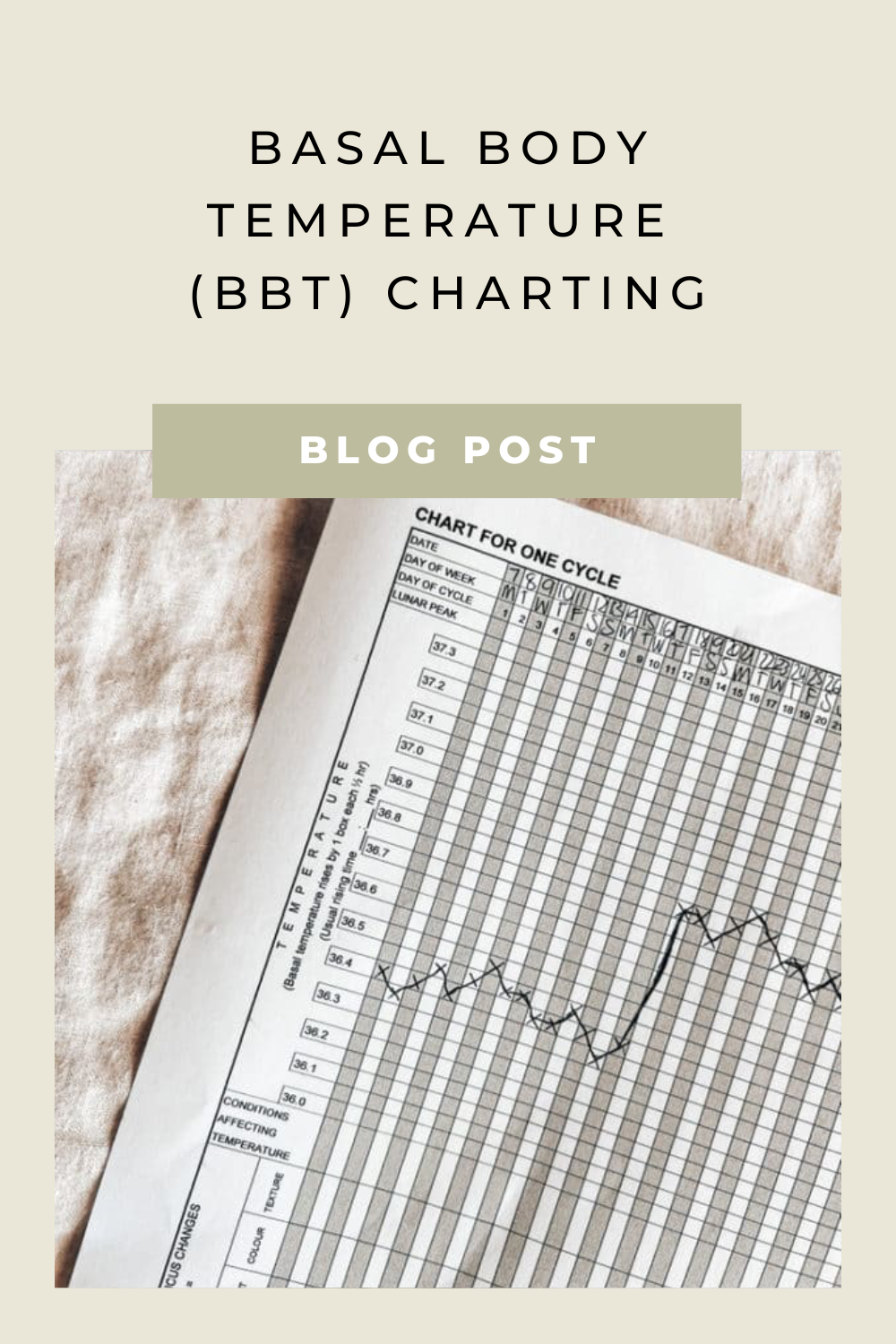
You cannot get pregnant without ovulation. Many women assume they're ovulating simply because they have a period, but this isn't always the case. Signs of ovulation include a sustained temperature rise on your basal body temperature (BBT) chart, fertile cervical mucus (clear, stretchy, egg-white consistency around mid-cycle), mittelschmerz (ovulation pain), and a luteal phase of at least 10-12 days. If you're not seeing these signs, work with a healthcare provider to investigate and address anovulation.
Optimizing Luteal Phase:
The luteal phase—the time between ovulation and your next period—should be at least 10-12 days, ideally 12-14 days. A short luteal phase suggests low progesterone, which can prevent implantation or cause early miscarriage. This often manifests in TCM as Kidney Yang deficiency or Spleen Qi deficiency. If your luteal phase is consistently short, this needs to be addressed through diet, stress reduction, acupuncture, moxibustion, herbal medicine, or progesterone supplementation.
Timing Intercourse:
Timing matters more than frequency. The fertile window is approximately 5-6 days: the 4-5 days before ovulation and the day of ovulation itself. Sperm can survive up to 5 days in fertile cervical mucus, while the egg is only viable for 12-24 hours after ovulation. The most fertile days are the 2-3 days before ovulation, making this window the most optimal time for intercourse.
While most women are told that ovulation occurs on cycle day 14, this is not always the case. To better understand your own cycle and ovulation, you can learn to track your cycle through BBT charting and cervical mucus observation. An acupuncturist or healthcare provider can provide you with more information on how to track these important changes. This bodily awareness empowers you to time intercourse appropriately, identify potential issues early, and track treatment progress.
Comprehensive Sperm Analysis: The Often-Overlooked Essential
Fertility is a partnership, yet sperm health is often addressed too late in the fertility journey. A comprehensive semen analysis should be one of the first steps for any couple trying to conceive—it's non-invasive, relatively inexpensive, and provides crucial information that can save months or years of unnecessary focus solely on the female partner.
A thorough sperm analysis evaluates count (concentration of sperm per milliliter), motility (percentage of sperm that move and how well they move), morphology (the shape and structure of sperm), volume (amount of ejaculate), pH levels, and white blood cell count (which can indicate infection). Advanced testing also looks at DNA fragmentation, which assesses the integrity of genetic material within sperm (which I highly recommend for a thorough sperm analysis).
In TCM, sperm quality reflects the strength of Kidney Jing (essence), which can be influenced by lifestyle factors, stress, heat exposure, and overall constitutional vitality. Poor sperm parameters often indicate Kidney Yang or Kidney Yin deficiency, or may involve Damp-Heat in the lower burner if infection or inflammation is present.
The good news is that sperm regenerates completely every 2-3 months, which means improvements in lifestyle, nutrition, supplementation, and acupuncture treatment can yield measurable results relatively quickly! If a semen analysis reveals issues, don't despair—focus on the non-negotiables in this article, consider working with an acupuncturist specializing in male fertility, and retest after three months of consistent intervention. If sperm concentration is extremely low, you may also need to work with a reproductive specialist.
Male partners should avoid hot tubs, saunas, and tight underwear; reduce alcohol consumption; quit smoking; maintain a healthy weight; manage stress; and ensure adequate intake of antioxidants like vitamin C, vitamin E, zinc, and selenium. These simple changes, combined with acupuncture and targeted herbs, can dramatically improve sperm parameters.
Fun fact - emerging research also suggests that higher-quality sperm with better DNA integrity can lead to healthier development of the placenta and hormonal regulation in pregnant women, which may positively influence the severity of morning sickness. Meaning, healthy sperm is not only an essential component for creating healthy embryos, but it also helps to support a healthy pregnancy in the mother! Go dads!
Addressing Physical Reproductive Barriers
Sometimes, despite doing everything right from a lifestyle perspective, physical barriers prevent conception. These might include blocked fallopian tubes, endometriosis, fibroids, varicoceles in men, structural abnormalities, or hormonal imbalances requiring medical intervention.
In TCM, these physical manifestations are often viewed as patterns of Blood stasis, Phlegm-Dampness accumulation, Qi stagnation that has become substantial over time, or congenital structural abnormalities. While acupuncture and herbs can address some of these patterns, some cases benefit from integrating Western medical interventions to remove physical obstructions, allowing TCM treatments to work more effectively.
Don't let fear or wishful thinking prevent you from getting a thorough evaluation. The more information you have on your fertile health, the quicker you can receive the support you need to move you toward conception. If you have irregular cycles, a history of pelvic infections or sexually transmitted infections, known endometriosis or fibroids, uterine septum, varicoceles, previous surgeries in the abdominal or reproductive regions, or any other potential physical barriers, seek evaluation sooner rather than later. Western medicine can offer solutions to many of these barriers, including specialized imaging, minimally invasive surgeries, and medications to address infertility in both men and women. Addressing physical barriers with Western medicine isn't giving up on natural approaches—it's removing obstacles so your body can do what it's designed to do.
Acupuncture and Chinese Herbal Medicine: Supporting Your Body's Innate Wisdom
Traditional Chinese medicine has supported fertility for thousands of years, and modern research increasingly validates its effectiveness. Acupuncture may encourage blood flow to reproductive organs, hormonal regulation, stress reduction, improve egg quality, enhance sperm parameters, and increase the success rates of assisted reproductive technologies.
One of the greatest strengths of working with an acupuncturist is that you are seen as more than just your reproductive organs. Your practitioner views you as a multifaceted person with a unique interplay of internal and environmental influences on your reproductive health—your sleep, digestion, diet, stress levels, emotional wellbeing, past medical history, and constitutional tendencies all inform your treatment. Each person's treatment plan is tailored to their individual presentation, not a one-size-fits-all protocol.
Regular acupuncture treatments—ideally weekly, especially in the months leading up to conception attempts—may help regulate the menstrual cycle (including healthy ovulation), improve your body's response to fertility treatments, and create a more balanced internal environment. Moreover, your acupuncturist will treat you as a whole person with a unique story, not just a list of potential reproductive issues. If you have experienced any sort of fertility obstacles, you will understand the importance of this factor on all levels - physical, psychological and emotional.
Herbal medicine and supplements, when prescribed by a qualified practitioner, can address underlying patterns of imbalance specific to your constitution and bloodwork. Unlike pharmaceuticals that often work the same way for everyone, herbal formulas are typically customized to your unique presentation and are adjusted as your health transforms.
Always work with a qualified acupuncturist/Chinese medicine practitioner who is well-versed in fertility, and inform all your healthcare providers about any herbs and supplements you're taking to ensure there are no contraindications (although this will also be checked by your Chinese medicine practitioner).
Bringing It All Together
These non-negotiables aren't a guarantee of immediate conception, but they create the healthiest possible foundation for your fertility journey. Think of them as tending the soil before planting seeds—you're creating the optimal conditions for life to take root and for the growth thereafter.
Start where you are. You don't need to perfect everything at once, but you will benefit from committing to consistent, sustained effort in each of these areas. Your future baby deserves parents who prioritized their health, and you deserve to enter pregnancy feeling strong, nourished, and balanced!
Remember: fertility health isn't just about getting pregnant—it's about creating the healthiest possible beginning for your child and setting yourself up for a vital, healthy pregnancy and postpartum period. These investments in your health will serve you long beyond conception.
The fertility journey can feel overwhelming, but you don't have to navigate it alone. If you're ready to take a comprehensive, integrative approach to your reproductive health, I'm here to help.
Book your initial consultation, and together we'll create a personalised plan that helps to optimise your fertility and support your path to parenthood!
If you have any other questions about the information above, you are always welcome to email me directly or fill out the contact form on my website to get in touch.

Veronika Peovska
(BHSc Acupuncture)
“To be skilled at nurturing one’s nature and wellbeing is to treat disease before it arises.” - SUN SIMIAO