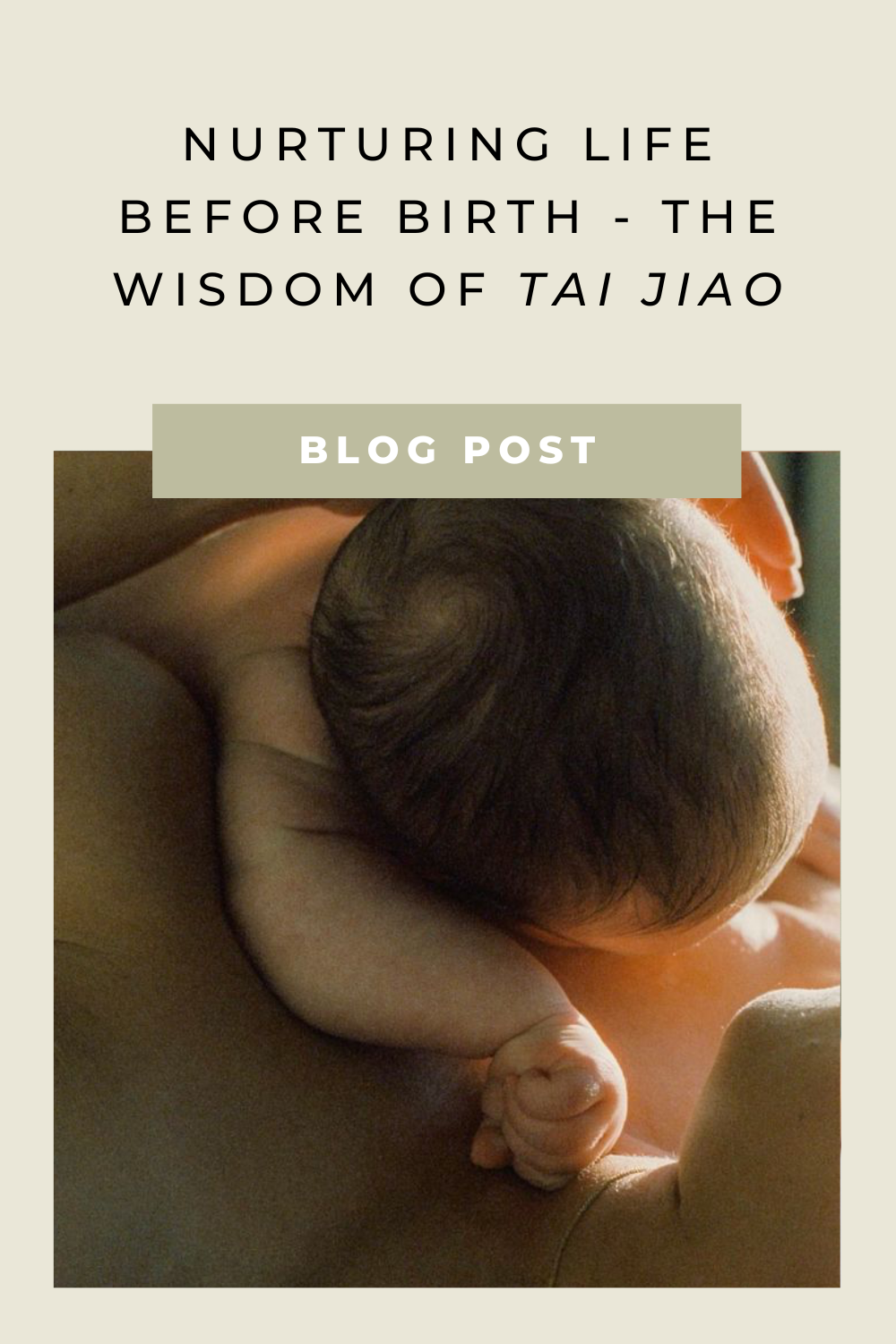
Nurturing Life Before Birth: The Wisdom of Tai Jiao

Pregnancy has always been seen as a sacred time in Chinese medicine. For more than two thousand years, the classical texts have described not only how to support the health of the mother and baby, but also how to create a peaceful, nourishing environment for new life to flourish. Unlike modern approaches that often focus mainly on the physical body, Chinese medicine has always taken a holistic view — emphasising rest, diet, emotions, beauty, and balance as the keys to a healthy pregnancy.
One of the most beautiful ideas found in the classics is Tai Jiao 胎教, often translated as prenatal education or fetal education. This teaching suggests that a baby is shaped not only by the mother’s physical health, but also by her emotions, environment, and even the things she sees and hears. Pregnant women were encouraged to spend time looking at beautiful things, listening to harmonious music, and surrounding themselves with calm and uplifting influences. In this way, the mother’s inner and outer world would gently guide the baby’s development, laying a foundation for both physical and emotional wellbeing.
The following teachings are drawn from some of the most respected classical works, including the Huangdi Neijing (Yellow Emperor’s Inner Classic), Jingui Yaolue (Essential Prescriptions of the Golden Cabinet), and the writings of Sun Simiao. These timeless insights remind us that pregnancy care is not just about avoiding illness — it’s about cultivating wellbeing for both mother and child.
1. Protecting Mother & Baby
The mother's body and energy—her Qi and Blood—are more delicate during pregnancy, requiring heightened care and attention. Extra precautions are needed to prevent exhaustion, stress, and exposure to illness, as the mother's wellbeing directly impacts the developing child. Physicians in ancient times understood this profound responsibility, teaching that "to care for a pregnant woman is to protect two lives."
2. Gentle & Nourishing Approach
During pregnancy, strong medicines, harsh treatments, and overexertion were actively discouraged in favor of more gentle support. Instead, nourishing foods, calming herbal teas, and gentle therapies were encouraged to support both mother and baby. Adequate rest, warmth, and balanced movement were considered essential foundations for a healthy pregnancy.
3. Food as Medicine
Foods that build healthy Qi and Blood were highly recommended throughout pregnancy. These included grains, fresh vegetables, nourishing broths, fruits like jujubes (Chinese red dates), and gentle herbal tonics. However, overeating or consuming very heavy, greasy foods was discouraged, as moderation and quality were valued over quantity.
4. Emotions & Fetal Wellbeing
Ancient wisdom taught that a mother's emotions have a profound effect on her growing baby. Calmness, joy, and peace of mind were actively encouraged, while excessive worry, anger, or sadness were believed to disturb the fetus. This understanding forms the heart of prenatal education (Tai Jiao 胎教)—the idea that the baby is influenced by the mother's environment, mood, and thoughts even before birth.
5. Surround Oneself with Beauty
The classics advised pregnant women to intentionally surround themselves with beauty and harmony. Looking at beautiful things, listening to harmonious sounds, and spending time in uplifting environments were all encouraged. Gazing at flowers, art, nature, or objects of beauty was thought to help the baby grow strong and harmonious, while avoiding frightening, disturbing, or chaotic sights was equally important. This practice nurtured not only the mother's peace of mind but also the baby's future health and temperament.
6. Month-by-Month Care
Some classical texts describe each month of pregnancy as linked to a specific stage of fetal growth, with tailored care for each phase. Gentle herbs, foods, and lifestyle practices were used to support the baby's development at the appropriate time. The early months focused on preserving the Blood to prevent miscarriage, the middle months emphasized proper nourishment, and the later months centered on preparation for labor and birth.
7. Preparing for Birth & Postpartum
In the final weeks of pregnancy, practices focused on helping the mother's body open and prepare for labor. After birth, special attention was given to postpartum recovery, known as “sitting the month,” a period during which rest, warming foods, and herbal care helped the mother restore her strength and prevent long-term health problems. Chinese medicine teaches that the connection between mother and child doesn't end at birth. The principle of "heal the mother, heal the child" recognizes that a mother's wellbeing—her restored strength, balanced emotions, and vital energy—remains essential to her baby's health and development in those crucial early months.
The wisdom of classical Chinese medicine continues to feel relevant today: pregnancy is a time for gentle protection, nourishment, beauty, and emotional harmony. By caring for both the body and mind, mothers not only support their own health but also lay the foundation for their baby’s future wellbeing.
Surrounding yourself with supportive loved ones, beautiful sights, eating foods that build Qi and Blood, resting deeply, and protecting your emotions are all simple but profound practices that have stood the test of time.
The teaching of Tai Jiao 胎教 reminds us that what surrounds the mother also surrounds the baby. When a woman fills her pregnancy with peace, beauty, and nourishment, she is also shaping the health and spirit of the new life she carries.
As the classics remind us: to care for a pregnant woman is to protect two lives.
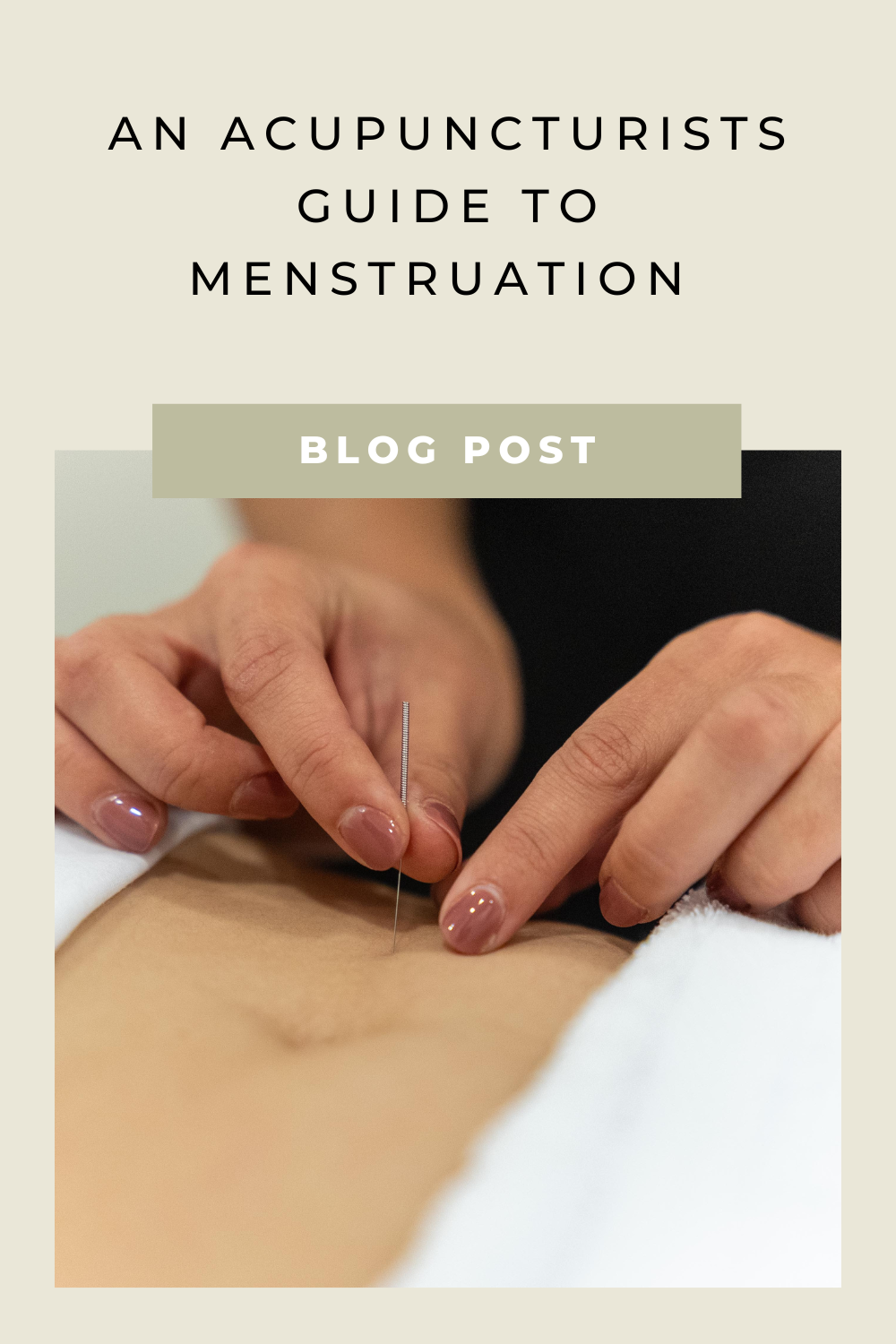
If you're expecting or planning for pregnancy and would like support through this precious time, I'd be honoured to guide you with the wisdom of Chinese medicine. Book an acupuncture appointment and receive personalised care can nurture both you and your growing baby.

Veronika Peovska
(BHSc Acupuncture)
“To be skilled at nurturing one’s nature and wellbeing is to treat disease before it arises.” - SUN SIMIAO