Seasonal Affective Disorder and Traditional Chinese Medicine
As the days shorten and the light grows thin, many people find themselves sinking into something heavier than ordinary winter blues. Motivation fades. Getting out of bed seems impossible. Joy feels well out of reach. If this sounds familiar, you may be experiencing Seasonal Affective Disorder, and you're far from alone.
Seasonal Affective Disorder (SAD) is a form of depression that follows a seasonal pattern, most commonly arriving in the fall of autumn and easing with the return of light in spring. It affects an estimated 1–3% of the general population, with a milder form, sometimes called the ‘winter blues’, affecting up to 10–20% of people. Women are diagnosed at significantly higher rates than men.
Conventional medicine attributes SAD primarily to disrupted circadian rhythms and reduced serotonin and melatonin production caused by diminished sunlight. These are valid and important mechanisms to understand. Chinese medicine offers a parallel and beautifully complementary lens for understanding why some people struggle so profoundly with seasonal change.
Before we go further, it's worth pausing on something important: in Chinese medicine, a degree of quietness, inwardness, and slower energy in winter is not pathology. It is the body doing exactly what the season asks of it. Winter is the most Yin time of year - a time for conservation, reflection, and rest. In fact, it is natural to feel less inclined toward socialising, prefer earlier nights and move at a gentler pace. These are all signs that your body is attuned to its environment, and we see many animals and plants adhering to these seasonal changes too. Chinese medicine has always understood this, and explains that our health in the seasons that proceed will benefit from a period of rest and recuperation.
Seasonal Affective Disorder is something distinct. It is when that natural withdrawal tips into significant, persistent low mood, loss of pleasure in things that normally bring joy, inability to function, profound fatigue, or hopelessness. The severity of these symptoms interfere with one’s daily life. The line between honouring winter's Yin nature and experiencing a clinical depressive episode matters, and it's worth holding both truths at once: that some slowing down is right and natural, and that suffering is not something you simply have to endure.
The Chinese Medicine Perspective
In Chinese medicine, the health of the body and mind is dependent on the capacity to move with the rhythms of nature. The seasons are not just a backdrop; they are active forces that shape our physiology, our emotions, and our energy.
Winter belongs to the element of Water. It is the season of Yin, of stillness, of going inward. The organ system most associated with winter is the Kidney, which in Chinese medicine governs not only the physical kidneys and adrenal function, but also our deepest reserves of vitality - what's called Kidney Jing (essence), Kidney Yang (warming, motivating energy) and Kidney Yin (the cooling, nourishing, moistening foundation that keeps Yang in balance).
When someone slides into seasonal depression, Chinese medicine would look at this through several possible lenses:
Kidney Yang Deficiency
Yang is the body's fire - its capacity to warm, activate, and motivate. When Kidney Yang is depleted, the cold and dark of winter can feel overwhelming rather than restorative. Common signs include feeling profoundly cold (especially in the lower back and limbs), exhaustion that doesn't improve with sleep, very low libido, loose stools in the morning, and a pervasive sense of flatness or hopelessness.
Liver Qi Stagnation
The Liver governs the smooth flow of Qi (vital energy) throughout the body. When that flow becomes constrained (as it often does when we move less, see less light, and turn inward) emotions can't circulate either. This shows up as irritability, a sense of being "stuck," frustration, low mood, sighing, irregular or painful menses, and a feeling of oppression in the chest.
Heart and Shen disturbance
The Heart houses the Shen - the spirit, consciousness, and emotional self. When light is scarce and the Heart is not adequately nourished (through connection, joy, and warmth), the Shen becomes unsettled. This can manifest as anxiety alongside low mood, heart palpitations, difficulty sleeping, a sense of disconnection, and a loss of meaning or pleasure.
Spleen Qi Deficiency
The Spleen in Chinese medicine is responsible for transformation and transportation, digesting both the food we eat and our life experiences. Cold weather, damp environments, and a tendency to overeat rich foods in winter can weaken Spleen function. This leads to foggy thinking, heavy limbs, lethargy, craving for sweets, bloating, weight gain, and a kind of dull, heavy sadness.
It's worth noting that we are all complex and each of these patterns rarely appear in isolation. For many people experiencing SAD, there is a combination of symptoms and diagnoses at play.
Why ‘warmth’ is not enough
There's an appealing logic to the idea that winter SAD, being a condition of cold and darkness, should simply be treated with warmth - moxa, ginger, cinnamon, Yang-tonifying herbs. And while there is truth in this for some people, Chinese medicine's sophistication lies in recognising that the body rarely presents in neat, single-pattern form.
In Chinese medicine, nothing in a living system remains static. The classical concept of Bian Hua (change and transformation) reminds us that pathology, left unaddressed, will always evolve into something more complex. Heat is a particularly important example of this. Modern life generates pathogenic Heat in many ways such as diets rich in alcohol / deep-fried foods / sugars / caffeine, chronic overstimulation through screens and relentless mental activity, lingering pathogens like herpes virus or Lyme disease, and years of unexpressed emotions.
This Heat doesn't simply sit still. Over time, it depletes the body's fluids, creating Dryness. The body then attempts to compensate, and that Dryness gives rise to pathological Dampness. Dampness obstructs the flow of Qi, and that obstruction generates Stagnation, which in turn produces more internal friction and more Heat. A self-sustaining cycle forms: Heat → Dryness → Damp-Phlegm → Stagnation → more Heat.
What this means clinically is that many people presenting with winter SAD are not simply Yang deficient. Beneath the heaviness, the fatigue, and the social withdrawal, there is often a layer of Heat, Dryness, and Damp-Phlegm that must be considered. Applying strongly warming herbs or heavy moxibustion without accounting for this underlying Heat can inadvertently aggravate the condition. Imagine fanning a fire that was already smouldering beneath the surface.
This is precisely why the principle of harmonisation guides skilled TCM treatment of SAD, rather than straightforward tonification. The goal is to unwind the cycle; clearing Heat without worsening Dampness, resolving Dampness without aggravating Dryness, moving Stagnation without depleting what is already exhausted. It requires a nuanced read of the individual, not just the season.
This complexity is also why professional guidance matters so much when working with acupuncture or Chinese herbal medicine for seasonal depression. What appears to be a simple Yang deficiency pattern may have Heat pathology interwoven through it that changes the prescription significantly.
Natural Treatment Options
Chinese medicine is a deeply practical tradition. Understanding the pattern is the beginning, but the treatment is where the magic happens. What follows is a comprehensive look at the tools available, drawing on both Chinese medicine wisdom and the evidence that supports them.
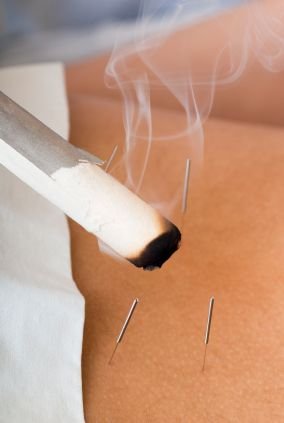
Acupuncture
Acupuncture is one of the most well-studied natural interventions for depression, and its application in SAD is compelling. From a Chinese medicine perspective, acupuncture works by regulating the flow of Qi, supporting organ systems that are depleted, and anchoring the Shen.
Key acupuncture points commonly used for seasonal depression include:
Points along the Du (Governing Vessel) channel - which runs along the spine and directly influences Yang energy and mental clarity
Kidney channel points - to tonify Yang and warm the core
Liver channel points - to move stagnant Qi and ease emotional constraint
Heart and Pericardium points - to settle the Shen and ease anxiety
Stomach and Spleen points - to support energy production and transformation through the seasons
Treatments are best started in the autumn, before the SAD symptoms take hold. The reasoning is rooted in Chinese medicine's understanding of Qi: when treatment begins while the body still has a reasonable level of vitality to work with, the Qi is far easier to regulate and support. Waiting until the depths of winter, when Qi is already depleted and stagnation well-established, means working with a system that may take longer to shift. Starting in autumn is starting from a position of relative strength. This reflects one of Chinese medicine's oldest principles, that the highest form of medicine is preventive, treating what has not yet become disease rather than waiting for illness to take root.
Chinese Herbal Medicine
Herbal medicine is an important pillar of Chinese medical treatment and offers some of the most targeted support for seasonal depression patterns. It is also where the complexity discussed above becomes most clinically relevant, as Chinese herbal formulas for SAD are individualised and acknowledge the full picture of Heat, Dryness, Dampness, and Stagnation that may be present beneath the surface.
Herbal medicine should always be prescribed by a qualified practitioner. Formulas are tailored to your individual pattern, not your diagnosis, and what appears to be a straightforward Yang deficiency on the surface may have a more complex picture underneath that changes the prescription entirely.
Light Therapy
Light therapy (phototherapy) can be understood from the perspective of both Chinese medicine and biomedicine. Biomedically, it works by suppressing melatonin production and stimulating serotonin synthesis, which helps to restore the circadian rhythm that shortened days disrupt.
From a Chinese medicine perspective, we can view light therapy as a Yang boosting practice. Morning light, in particular, is associated with the rising Yang of the day. Yang is the quality that lifts, activates, and initiates. Its therapeutic use to nourish Kidney and Heart Yang during the season most associated with Yin makes intuitive sense.
The general recommendation is 20–30 minutes of exposure each morning, ideally within the first hour of waking, sitting approximately 30–50 cm from the light therapy box without looking directly at it. Consistent daily use from early autumn through spring tends to yield the best results. If you are looking for a more natural alternative, you can always use sunlight instead!
Light therapy is considered a first-line intervention for SAD in many countries and has a strong evidence base. It is generally well-tolerated, though those with bipolar disorder or certain eye conditions should consult a doctor before use.
Diet and Nutrition
Chinese medicine has always understood the healing power of food, and nowhere is this more relevant than in winter, when the body's needs shift significantly.
Warming, nourishing foods are beneficial in the cold months for many people. This includes slow-cooked soups and stews, bone broths, root vegetables (sweet potato, pumpkin, carrot, parsnip), warming spices (cinnamon, ginger, star anise, cardamom), lamb, chicken, walnuts, chestnuts, and black beans. These foods tonify Kidney Yang, nourish the Blood, and support the Spleen's digestive fire. That said, if you tend to run hot (feeling irritable, having restless sleep, or noticing a yellow coating on your tongue) be mindful that heavily warming or spiced foods may not suit your particular presentation of winter SAD. This is another area where individual assessment matters.
Foods that support Liver Qi include lightly cooked leafy greens, sour flavours (lemon, apple cider vinegar, small amounts of fermented foods), and fragrant herbs like basil, fennel, and rosemary.
For the Heart and Shen, longan (Long Yan Rou) is a classical Shen-calming food. Red dates (Da Zao), goji berries (Gou Qi Zi), and dark leafy greens all nourish Heart Blood and support emotional stability.
What to minimise: cold and raw foods (which burden the Spleen in winter), excessive dairy, alcohol (which temporarily moves Liver Qi but ultimately worsens stagnation and dampness), and refined sugars (which overwhelm the Spleen and drain your overall energy).
From a nutritional medicine perspective, two supplements deserve particular mention for those experiencing SAD:
Vitamin D: Sunlight deprivation directly causes vitamin D deficiency in many people, and low vitamin D is independently associated with depression. Testing your levels and supplementing appropriately through winter is a reasonable and evidence-based step. Most adults in cooler climates benefit from 1,000–2,000 IU daily through winter, but this is best advised by your practitioner based on your blood work.
Omega-3 fatty acids: EPA and DHA (found in fish oil) have a meaningful evidence base for supporting mood and reducing inflammation. Including oily fish like sardines, mackerel, and salmon in your diet, or supplementing with a quality fish oil, supports both brain health and blood health.
Movement
Movement is one of the most powerful tools available for SAD, and one of the most difficult to access when the condition itself saps motivation.
From a Chinese medicine perspective, movement is the primary way we move Qi. Stagnant Qi causes stuck emotions and moods. Even gentle, consistent movement creates flow where there was obstruction.
Yang Sheng practices (the classical Chinese arts of cultivating life) are particularly well-suited to winter. These include:
Qigong and Tai Chi: Slow, intentional movements that harmonise Qi, calm the mind, and build Kidney and Spleen energy without depleting it. Even 10–15 minutes daily has measurable effects on mood and energy.
Walking outdoors: Exposure to natural daylight (even on overcast days) combined with gentle aerobic movement is one of the simplest and most effective interventions available. Morning walks align particularly well with the Chinese medicine principle of meeting the rising Yang.
Yoga: Practices that emphasise grounding (Yin Yoga, restorative yoga) support the Water element and Kidney energy; more active practices (Vinyasa, Sun Salutations) help move Liver Qi.
Aerobic exercise more broadly has a robust evidence base for depression, with studies suggesting effects comparable to antidepressant medication in mild to moderate cases. The challenge with SAD is that motivation can make this feel impossible, which is where starting very small, choosing enjoyable activities, and drawing on external accountability can help.
It is important to also note that if you are exercising outdoors in winter, it is crucial to keep yourself warm and covered, especially in the lower back, feet and neck areas. Cold and wind pathogens can easily enter and disrupt the flow of Qi and Blood within the body. If you are exercising at a gym or studio, make sure to cover up after you finish your session, as your pores will be open and that makes it even easier for these pathogens to enter the channels.
Rest, Ritual, and the Art of Winter
This may be the most distinctly Chinese medicine recommendation of all: to respect what winter is asking of you.
Chinese medicine understands that the natural world contracts in winter. Sap retreats into roots, animals hibernate, growth pauses. This is the wisdom of nature’s cycles. The expectation that we should maintain the same pace, productivity, and social engagement across all seasons runs deeply counter to this philosophy, and may be one reason so many people struggle.
The practice of Yang Sheng in winter includes:
Going to bed earlier and rising with or after the sun
Keeping the lower back and feet warm and covered (protecting the Kidneys)
Spending time in quiet, restorative activities: reading, slow cooking, creative work, gentle contemplation and journaling
Limiting excessive stimulation and output
Prioritising warmth: both physical (baths, warm clothing, warm drinks, nourishing food) and relational (close connection over large social gatherings, gentleness with self)
This is not a prescription for withdrawal or isolation, but an invitation to relate differently to winter. Meet its Yin quality rather than fight it.
When to Seek Support
The natural approaches outlined in this article can offer meaningful relief, but it should be clear by now that seasonal depression is rarely a simple condition. The interplay of Yang deficiency, Qi stagnation, Heat, Dryness, and Damp-Phlegm means that treatment needs to be tailored carefully to the individual. Self-prescribing warming herbs or protocols based on a season alone, without accounting for your full pattern, can be a starting point but may not resolve the problem.
Working with a qualified Chinese medicine practitioner allows for the kind of nuanced assessment that this condition genuinely requires. Personalised acupuncture treatments, herbal medicine formulas, and dietary guidance will always be more effective than a general protocol.
Additionally, if your symptoms are severe, if you are struggling to function, if dark thoughts are present, or if you are not able to care for yourself / those who depend on you, please reach out to your GP or a mental health professional. Chinese medicine works beautifully alongside conventional care and does not have to be an either/or choice.
A Final Word
Chinese medicine has accompanied humanity through thousands of winters with its understanding that we are part of nature, not separate from it. When we stop fighting the season and begin working with it, something significant just might shift.
If you identify that winter is hard for you, know that you are already one step closer to understanding your body, and there is so much that can be done to help.
If you're ready to understand your pattern and move through winter with more ease, I'd love to support you. Book an appointment here.

Veronika Peovska
(BHSc Acupuncture)
“To be skilled at nurturing one’s nature and wellbeing is to treat disease before it arises.” - SUN SIMIAO