Iron-Boosting Tea Recipe: Blending Modern Nutrition with Ancient Wisdom
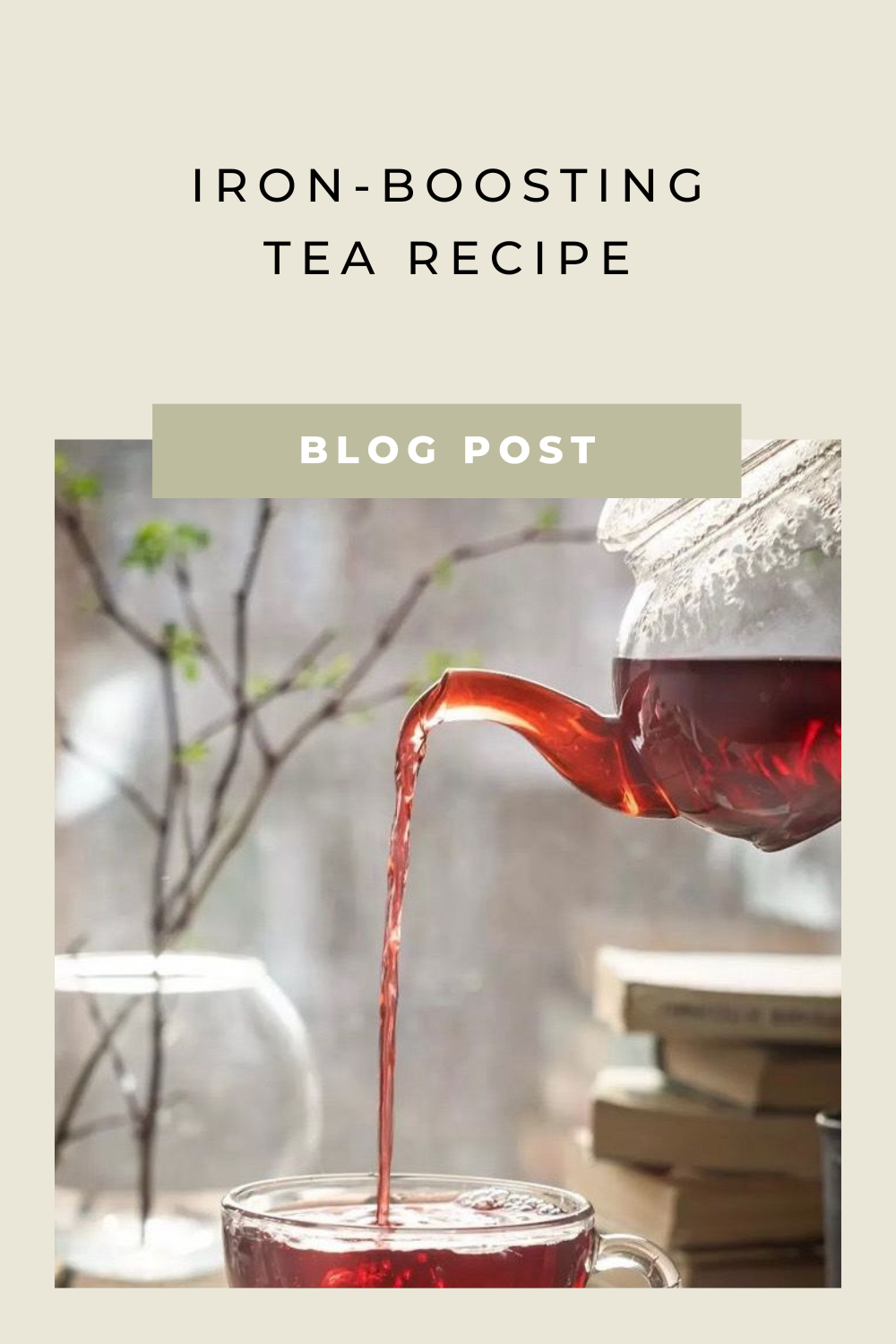
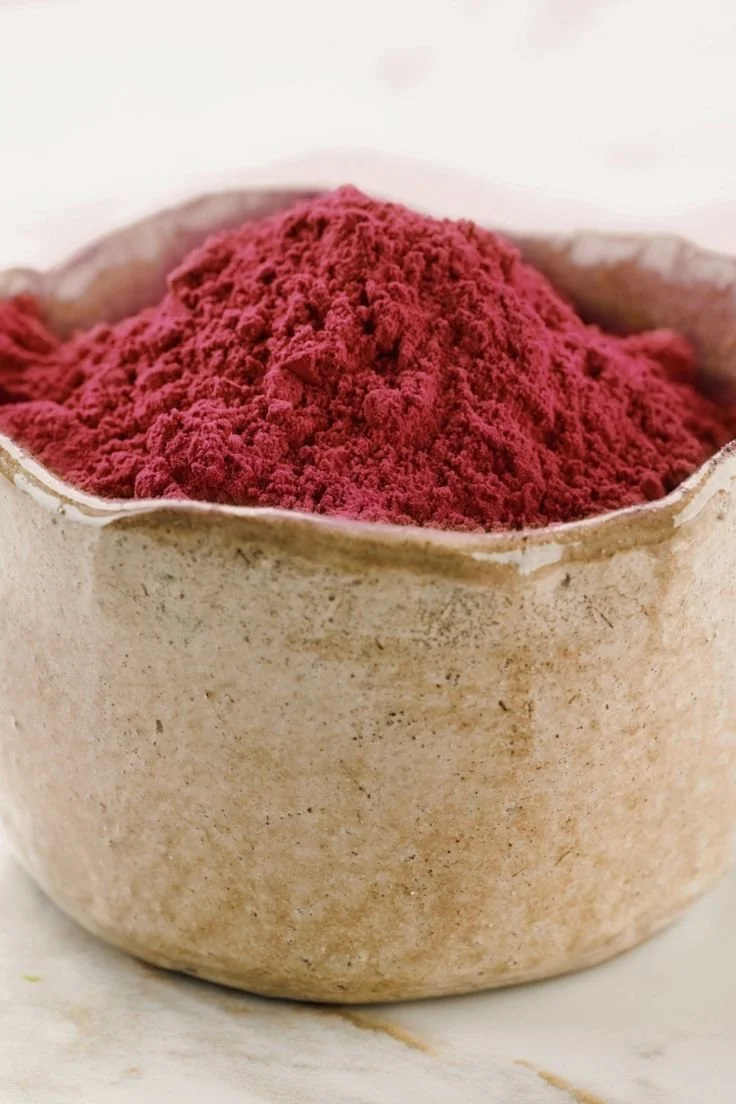
If you're looking to naturally support your iron levels and build healthy blood, this warming tea combines the best of both worlds: nutrient-dense ingredients backed by modern science and time-honoured principles from Traditional Chinese Medicine (TCM).
The Recipe
Ingredients:
2 teaspoons beetroot powder
2 teaspoons rose hip tea (or 2 tablespoon dried rose hips)
10-15 goji berries
Juice of 1/2 lemon
1/2 teaspoon fresh grated ginger (or one small slice)
1-2 teaspoons blackstrap molasses
500mL water
Instructions:
Heat water to about 80°C (hot but not boiling to preserve nutrients)
Add beetroot powder, rose hips, and goji berries to 1 cup of water in a tea pot
Steep for 5-10 minutes
While still warm, stir in lemon juice, grated ginger, and molasses
Strain, sip and enjoy!
*If you prefer to make 1 large mug of tea, halve the measurements listed above
**You may refill the same teapot or mug with water 1-2 times and sip throughout the day. It will be milder in flavour but still have the same benefits.
Understanding Each Ingredient
Please note that the information shared below is general TCM concepts rather than medical advice. This tea does not replace iron supplementation for those with iron deficiency. For personalised guidance, please consult a licensed TCM practitioner.
Beetroot Powder
Nutritionally, beetroot provides dietary iron and is rich in folate and betalains - the natural compounds responsible for its deep red colour. It supports healthy blood flow and circulation.
In Chinese medicine, beetroot is considered a powerful blood tonic that nourishes the Blood and supports Liver function. The deep red colour is viewed as a signature of its blood-building properties. It tonifies both Qi and Blood while strengthening the Heart and promoting healthy circulation. Beetroot also moistens the intestines, supporting gentle bowel movements - a helpful property when taking iron, which can sometimes cause constipation.
Rose Hip
Rose hip is a vitamin C powerhouse, containing 20-40 times more vitamin C than oranges. Since vitamin C dramatically enhances iron absorption, rose hip is the perfect companion to iron-rich ingredients. It also contains some iron itself.
From a TCM perspective, rose hip is sour and sweet, and cooling in nature. It helps to clear heat, improve poor appetite and quench thirst, and relieve fullness in the abdomen. This makes it particularly helpful for supporting digestive comfort while building blood - especially beneficial since iron supplementation can sometimes cause digestive upset.
Goji Berries
Goji berries are one of the most revered blood tonics in Chinese medicine, nourishing Blood and Yin while supporting Liver and Kidney function. They're particularly valued for their ability to tonify both Blood and Essence (Jing).
Nutritionally, they're rich in antioxidants, vitamins, and minerals. Their naturally sweet flavour helps balance the earthy beetroot and slightly bitter molasses, making the tea more pleasant to drink regularly.
Ginger
Ginger aids digestion and helps reduce any potential stomach upset that can sometimes occur with iron supplementation. It also adds a warming, spicy note to the tea.
From a TCM perspective, fresh ginger is warming and moves both Qi and Blood, preventing stagnation. It's particularly valued for supporting the Spleen's digestive function, which is essential since TCM views proper digestion as the foundation of blood production. Ginger warms the Middle Burner (digestive system), helping transform food into Qi and Blood efficiently.
Lemon
Lemon provides additional vitamin C, making the tea's iron more bioavailable - helping your body actually absorb and use the iron rather than just consuming it.
In Chinese medicine, lemon's sour taste helps ‘gather’ and consolidate, preventing the loss of fluids and Blood. Though cooling in nature, it supports the Liver in its function of storing Blood and helps the body properly assimilate nutrients.
Blackstrap Molasses
Blackstrap molasses is exceptionally high in iron - just one tablespoon provides about 20% of your daily needs. It also contains calcium, magnesium, and potassium, making it a true mineral powerhouse.
While not a traditional Chinese herb, molasses aligns beautifully with TCM principles. Its dark color, mineral density, and warming nature make it similar to blood-building foods in the Chinese materia medica. It would be considered nourishing to Kidney Jing (essence) and Blood, supporting the body's foundational reserves.
The Energetic Balance of This Formula
What makes this blend particularly effective from a TCM perspective is its balance. It combines blood-nourishing ingredients (beetroot, rose hip, goji berries, molasses) with Qi-moving elements (ginger, lemon). This is important because heavy blood tonics taken alone can sometimes cause digestive sluggishness or stagnation.
The warming ginger balances the cooling rose hip and lemon, creating a formula that's neither too warming nor too cooling - suitable for most constitutions.
Optional Additions
Want to customise your tea? Here are some powerful additions you can mix and match:
Honey (1-2 teaspoons) - Add after steeping if you find the molasses flavour too strong or bitter. Honey provides natural sweetness while contributing trace minerals and enzymes (especially when raw). In TCM, honey tonifies Qi, nourishes Blood, and moistens dryness. It supports both Spleen and Lung function and acts as a harmonizing agent for all the other ingredients.
Nettle Leaf (1-2 teaspoons dried) - Add during steeping. Nettle is exceptionally high in iron and also contains vitamin C for enhanced absorption. From a TCM perspective, it's nourishing and mildly warming, supporting Kidney function and building Blood.
Dandelion Root (1 teaspoon) - Add during steeping. Rich in iron and supportive of liver function. From a TCM perspective, it's slightly cooling in nature and helps to clear out the Liver to allow it to properly function - regulating the movement of Blood and Qi.
Red Dates (Jujube) (3-6 dates) - Add during steeping. A classic Chinese blood tonic that's sweet and warming. It tonifies Qi and Blood while calming the spirit and supporting digestive function. Nutritionally, red dates provide iron, fiber, and various minerals.
Cinnamon (1/2 teaspoon or small stick) - Add during steeping. Warming and sweet, cinnamon moves Blood, warms the channels, and supports Yang energy. It also makes the tea taste wonderful and may help regulate blood sugar.
Hibiscus (1 teaspoon dried flowers) - Add during steeping. Rich in vitamin C and iron, with a beautiful tart, cranberry-like flavor. From a TCM perspective, hibiscus is cooling and moves Blood, supporting the Heart and cooling excess heat. It also gives the tea a gorgeous deep red color. Note: Because it's cooling, balance it with the warming ginger if you tend to run cold.
Mix and match these additions based on your taste preferences and what your body needs!
When to Drink This Tea
From a TCM perspective, the best time to drink this tea is:
Morning (7-9 AM) - This is Stomach time in the Chinese body clock, when digestive fire is strongest. Your body is best equipped to transform the nutrients into Qi and Blood.
Late Morning (9-11 AM) - This is Spleen time, when the Spleen's function of transformation and transportation is at its peak. This is ideal for blood-building tonics.
Avoid drinking late at night - The warming ginger and the digestive work required might interfere with sleep. The body's energy naturally moves inward at night for restoration rather than active digestion.
Best practices:
Drink on an empty stomach or between meals for maximum absorption
Avoid consuming with dairy, coffee, or regular tea, as these can inhibit iron absorption
Consider drinking this tea daily for several weeks to notice cumulative benefits
Take a break every few weeks if using long-term
Who Might Benefit Most
This tea may be particularly helpful for those experiencing:
Low energy or fatigue
Pale complexion
Dry, brittle nails or hair
Dizziness or lightheadedness
Heavy menstrual periods
Recovery after blood loss
Vegetarian or vegan diets
Important Reminders
While this tea can be a wonderful addition to a healthy lifestyle, it's not a substitute for medical care. If you suspect you have iron deficiency or anemia, please consult with a healthcare provider for proper testing and diagnosis. Some people have conditions where excess iron can be harmful.
The Chinese medicine perspective shared here represents traditional concepts and should not be considered medical advice. For personalised TCM guidance, seek out a licensed practitioner.
Frequently Asked Questions
Do I need to be iron deficient to drink this tea?
No, you don't need to be iron deficient to enjoy this tea. From a TCM perspective, this is a gentle blood-building and nourishing formula that supports overall vitality, not just iron levels. It can be beneficial for general wellness, supporting energy, healthy circulation, and digestive function. However, if you have a condition where excess iron is harmful (such as hemochromatosis), consult your healthcare provider before consuming iron-rich foods or teas regularly.
How much iron does this tea provide?
The exact amount varies depending on the quality and quantity of ingredients used, but blackstrap molasses is the primary iron contributor - about 1-2mg per half teaspoon. While this tea won't provide your entire daily iron needs (15-18mg for most adults), it offers a gentle, food-based boost alongside the vitamin C needed for absorption.
Can I drink this tea every day?
Yes, most people can enjoy this tea daily for several weeks. However, it's wise to take periodic breaks (every 3-4 weeks, take a week off) to assess how you're feeling and prevent over-supplementation. Listen to your body and consult a healthcare provider if you have concerns.
How long before I notice results?
Blood building takes time. You may notice subtle improvements in energy within 2-3 weeks, but it typically takes 6-8 weeks of consistent use to see more significant changes. Iron deficiency recovery is gradual, so patience and consistency are key.
Can I drink this if I'm pregnant or breastfeeding?
While the base recipe ingredients (beetroot, rose hip, goji berries, lemon, ginger, molasses) are generally considered safe during pregnancy and breastfeeding, it's essential to consult your healthcare provider or midwife before adding any new herbal teas during pregnancy or breastfeeding.
*If using optional additions during pregnancy:
Avoid: Hibiscus (may affect hormone levels and uterine activity)
Use with caution (consult your provider): Dandelion root (diuretic properties), Nettle leaf (especially in first trimester), Cinnamon (safe in small food amounts as listed, but avoid large medicinal doses)
Generally safe: Red dates (jujube), Honey
Can this tea replace iron supplements?
No, this tea should not replace prescribed iron supplements if you have diagnosed iron deficiency anemia. However, it can complement medical treatment or serve as preventative support for those at risk of low iron. Always work with your healthcare provider for serious deficiencies.
Why does the recipe use warm, not boiling water?
Hot water around 80°C helps preserve heat-sensitive nutrients like vitamin C while still extracting the beneficial compounds from the herbs. Boiling water can degrade some of the vitamin C content that's crucial for iron absorption.
I don't like the taste of molasses. Can I skip it?
You can reduce the molasses or replace it with honey, but you'll lose the significant iron contribution molasses provides. Consider starting with just 1/4 teaspoon and gradually increasing as you adjust to the flavor, or add honey to balance it.
Can I make a larger batch and store it?
It's best to make this tea fresh each time to preserve the vitamin C content and maximize iron absorption. If needed, you can prepare a double batch and store it in the refrigerator for up to 24 hours, but gently rewarm before drinking.
While this tea can be a wonderful addition to your wellness routine, sometimes you need more targeted support. If you're dealing with ongoing symptoms of iron deficiency or blood deficiency, I'd love to help you create a comprehensive treatment plan. Book an appointment to get started!

Veronika Peovska
(BHSc Acupuncture)
“To be skilled at nurturing one’s nature and wellbeing is to treat disease before it arises.” - SUN SIMIAO